
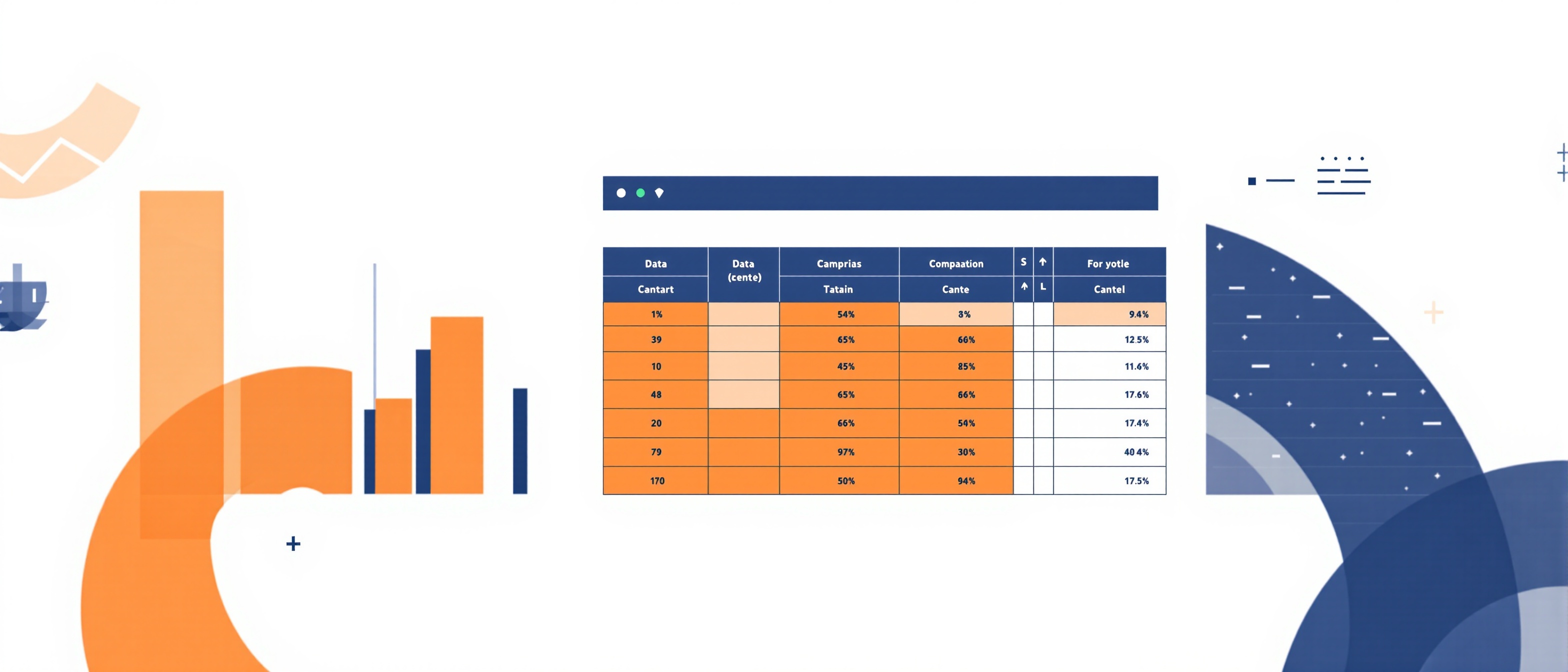
An oopbuy spreadsheet is a structured digital tool designed to help shoppers organize product links, track purchase categories, record QC status notes, and plan shipping logistics in one centralized location. Whether you are managing multiple orders or comparing products across different sellers, the oopbuy spreadsheet serves as your personal command center. This guide explains everything you need to know about using an oopbuy spreadsheet effectively in 2026. Unlike official platform tools, this is an independent research system created by users for users. It is not affiliated with any platform and does not sell products directly. Users must verify all product links, seller data, and shipping information before making decisions.
Core Uses of an Oopbuy Spreadsheet
Product Link Tracking
The foundation of any oopbuy spreadsheet is product link tracking. Each row typically contains a direct URL to the product listing, making it easy to revisit items later without searching through browser history. This feature becomes essential when you are tracking dozens of items across multiple categories. Many users create columns for store name, product name, price, and date added to maintain chronological order. The kakobuy spreadsheet alternative offers similar link tracking but with a simpler structure that lacks the depth of organization found in oopbuy systems.
Category Organization
Smart categorization separates an oopbuy spreadsheet from basic shopping lists. Most users structure their spreadsheets around major fashion categories including Shoes, Hoodies and Sweaters, T-Shirts, Jackets, Pants and Shorts, Headwear, Sets, Underwear, Jersey, and Accessories. Each category gets its own tab or filterable column, allowing quick navigation between product types. This structure mirrors the way professional buyers organize inventory and ensures nothing gets lost in a sea of links. The kakobuy spreadsheet approach tends to use fewer categories, which can become limiting when your collection grows beyond 50 items.
QC Status Notes
Quality control tracking is where the oopbuy spreadsheet truly shines. Users add columns for QC photos received, inspector comments, GL or RL status, and detailed notes about stitching, materials, logos, and packaging. This level of detail helps avoid surprises when packages arrive and provides a historical record of seller quality trends. Over time, your QC data becomes a valuable reference for deciding which sellers to trust with future orders. The kakobuy spreadsheet typically offers only basic pass or fail markers, lacking the granular detail that power users need for informed decisions.
Shipping Planning
Shipping logistics require careful planning, and the oopbuy spreadsheet includes dedicated sections for estimated weight, shipping method preferences, declared value, and consolidation plans. Users can calculate total package weight before submitting to their agent, avoiding overage fees. Some advanced spreadsheets include formulas that auto-calculate shipping costs based on weight brackets and destination country. This proactive approach saves money and prevents delays. In comparison, the kakobuy spreadsheet offers minimal shipping support, usually just a single notes column without structured planning tools.
Who Should Use an Oopbuy Spreadsheet?
The oopbuy spreadsheet benefits anyone who regularly shops through overseas marketplaces. Beginners appreciate the structured learning curve that teaches good habits from day one. Intermediate users with 20 to 50 active items rely on spreadsheets to prevent orders from falling through the cracks. Advanced users managing 100 plus items use spreadsheets as the backbone of their entire shopping workflow. Even casual browsers who only purchase seasonally find value in keeping wish lists organized. The kakobuy spreadsheet attracts users who prefer minimal setups, but most eventually graduate to oopbuy systems as their needs expand.
Important Disclaimer
This oopbuy spreadsheet guide is an independent research tool. It is not official, not affiliated with any platform, and not selling products. All information provided here is for educational and organizational purposes only. Users should independently verify all product links, seller ratings, QC photos, and shipping policies before making purchases. No spreadsheet system can guarantee product quality or seller reliability.